
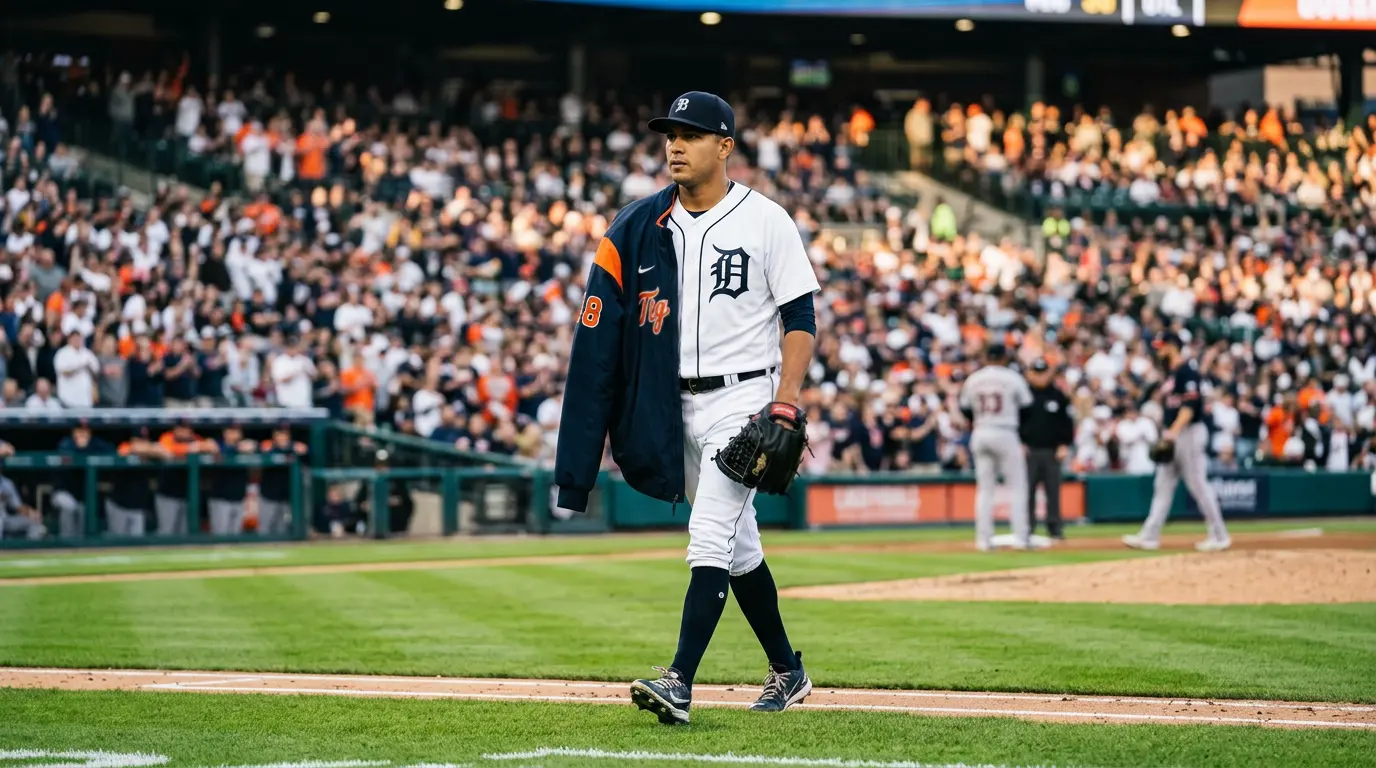
The bullpen lesson I keep relearning
Most full-game MLB tickets win or lose because of the bullpen, not because of the starter. That’s the thing I had to relearn maybe four times before it stuck. The starter is the headline. The starter is the headline because the starter is the listed pitcher, the broadcast lead, the marketing image. But the starter throws maybe 60% of an average game’s pitches. The bullpen throws the rest, and the bullpen is where most of the variance, most of the leverage, and most of the bets actually get decided.
Below is how I track bullpen state, where late-inning leverage actually matters, and where the market hands you edges if you do the bullpen homework that most punters skip.
How bullpen quality moves the full-game line
The runline at -1.5/+1.5 prices in the full nine innings of game state. The starter sets the tone for the first five or six innings; the bullpen handles the rest. A team with a top-tier bullpen and a mid-tier starter often gets priced as a moneyline favourite because the late-inning lockdown capability matters more than the early-inning matchup.
The 2024 MLB rule package – pitch clock at fifteen seconds with bases empty and eighteen with runners (down from twenty seconds the year before), four mound visits per nine innings – has compressed game tempo. The compression has affected bullpens specifically: relievers who used to take their time between pitches now have to work at starter-equivalent tempo. Reliever pitch counts have dropped slightly per outing because the in-between time was a meaningful component of total exertion. Strikeout rates have edged upward in relief. The marginal effect is small per game but compounds across a season.
What I look for in bullpen quality: aggregate ERA across high-leverage relievers, K-BB% as a forward-looking indicator, and recent workload patterns. The aggregate ERA tells me past performance. The K-BB% tells me whether the past performance is sustainable. The workload tells me whether tonight’s specific matchup will get the bullpen’s best arms or whether fatigue has them on a tighter rotation.
A team’s bullpen is not a static asset. It rotates through stretches of dominance and fatigue, and the dominance stretches don’t last forever. A bullpen that looked unhittable in May can be hit hard in July when the high-leverage arms are on their fourth or fifth straight workload-heavy week.
Tracking bullpen fatigue
Bullpen fatigue is the single most reliable edge in late-inning MLB betting that the public consistently underweights. The data is publicly available – every MLB broadcast and every team beat-writer publishes daily bullpen-availability charts – but most casual punters don’t bother to check.
The metrics I track per high-leverage reliever: number of appearances in the last three days, total pitch count over the last three days, and any back-to-back-day usage. A reliever who threw 30 pitches yesterday and 25 the day before is unavailable tonight at most modern usage standards, regardless of whether the team officially says so. Managers protect arms more than they used to.
Rob Manfred has talked about expansion and realignment being related, with the rationale of saving wear and tear on players in terms of travel. The same logic applies to bullpen management at a micro level: clubs are increasingly cautious about reliever workload because the cost of overuse is genuine. Tommy John surgery rates correlate with workload. Modern bullpen management reflects that.
| Reliever workload signal | Likelihood available tonight | Betting implication |
|---|---|---|
| 0 appearances in last 3 days | Very high | Standard projection |
| 1 appearance, low pitch count | High | Standard projection |
| 2 appearances in last 3 days | Moderate | Reduced workload expected |
| Back-to-back days, high pitch count | Low | Lower-leverage arms instead |
The strategy on a fatigued bullpen: lean toward overs in matchups where the fatigued team is the home favourite. The home team carries the late-inning leverage burden, and a fatigued bullpen yielding to a B-team in the seventh or eighth innings is where over backers cash. The opposite – fatigued bullpen on the road – produces a complicated picture because the home team’s lineup gets the late-inning matchup advantage.
Closer versus committee impact
The classical closer model – one designated ninth-inning lockdown arm – has gradually given way to committee approaches at many clubs. The committee model spreads the workload but also creates ambiguity about who pitches the highest-leverage frame. From a betting perspective, the committee approach raises the variance of late-inning outcomes and slightly nudges totals upward (because the matchup advantage of having a true ace closer disappears).
Teams with established closers tend to have tighter end-game lines – meaning the moneyline price for the leading team in the ninth inning is heavily juiced because the closer is expected to convert. Teams with committee closers see those late-inning lines move more, because the matchup-vs-matchup approach can flip even close games.
For runline analysis, a strong closer pushes the favourite’s runline value down. The closer protects narrow leads; he doesn’t add to them. So a -1.5 runline on a team with a great closer and a mediocre offence often plays as worse value than the moneyline price would suggest, because the closer slams the door at 2-1 leads rather than letting late insurance runs cross.
Betting the other side of a bullpen
The most overlooked angle: betting against fatigued or distressed bullpens. The setup is when a team is coming off a series of extra-inning games or a stretch of one-run affairs. The high-leverage arms have been overworked, the back-end of the pen has been touched, and tonight’s game is going to feature whichever third-tier reliever is somewhat available.
Recognising the spot requires checking the team’s last week of game scores, not just last night’s. A team that’s played four extra-inning games in five days will have a destroyed bullpen even if last night was a routine three-pitch ninth. The market doesn’t always price in the cumulative fatigue, especially mid-week against unfashionable opponents.
The reverse is also profitable: betting on rested bullpens. A team coming off a day off, or off a blowout where the high-leverage arms didn’t pitch, has a fully loaded pen for tonight. The late-inning lockdown capability is at maximum. Backing that team’s runline at -1.5 in a tight matchup, where the late innings can pad the lead, tends to outperform the implied probability.
The 2024 regular-season MLB attendance hit 71.3 million – the largest in seven years – and MLB.TV streaming reached 14.5 billion minutes. That’s a large enough audience and data flow that the public-money signal on bullpen-driven games is loud. The edge sits in the small-market mid-week games where casual attention isn’t focused but where bullpen state still drives the result.
For a different angle on isolating starter quality from bullpen variance, my breakdown of how F5 markets isolate the starting pitcher matchup covers the product designed specifically to remove bullpen exposure from the equation.
How can a UK bettor track recent bullpen workloads across the league?
Should a tired bullpen always tilt the runline toward the opposing side?
Material created by the team DIAMONDLINE